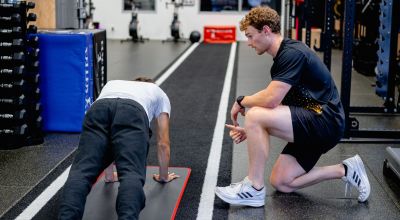
Bone stress injuries, often described as stress reactions or stress fractures, are overuse injuries affecting bone tissue. Bone is a viscoelastic structure with the capacity to tolerate repetitive loading; however, bone stress injuries arise when bone remodelling is unable to keep pace with accumulated microdamage. This reflects an imbalance in bone metabolism, whereby microdamage exceeds repair. According to the 2024 International Delphi consensus, ongoing mechanical stress and strain may drive progression along a pathological continuum, ultimately resulting in localised bone weakening and, in some cases, partial or complete fracture.
Over recent decades, collaborative research efforts have significantly advanced the understanding of bone stress injuries. Large-scale epidemiological studies indicate that while bone stress injuries are relatively uncommon in the general population (accounting for less than 1% of all injuries), they are prevalent among athletes and military personnel. In these populations, bone stress injuries may comprise up to 20% of all injuries, particularly in individuals engaged in activities characterised by repetitive impact loading, such as marching, running, jumping, and dancing.
The 2024 International Delphi consensus on bone stress injuries in athletes identified that risk factors are multifactorial, arising from interactions between skeletal loading, bone health, and broader health behaviours. High levels of agreement were reached for several key contributors, particularly abrupt transitions in training load such as increases in volume or intensity, a prior history of bone stress injury, low body mass index, impaired bone health, and a history of low energy availability.
Additional strongly supported risk factors included functional strength deficits, early sport specialisation, inadequate energy intake relative to demand, and changes in habitual footwear.
What are the symptoms of a Bone Stress Injury?
Bone stress injuries are most strongly associated with load-related pain that occurs when stress is applied to the affected bone and progressively worsens with weight-bearing activity. Symptoms typically do not improve with continued activity (i.e. there is an absence of a “warm-up” effect), and pain may persist or intensify both during and after activity. Presentation is frequently preceded by a recent change in training volume, intensity, or type of activity.
Additional hallmark features include localised, focal tenderness on palpation over the involved bone and reproduction of symptoms during provocative functional tasks such as hopping, running, or jumping. Pain may initially be activity-related but can progress to earlier onset with loading and reduced tolerance to activity as the injury evolves.
How can Physiotherapy help?
There remains an unmet need for clear, evidence-based return-to-sport guidelines for athletes recovering from bone stress injuries. Physiotherapy at Foundation Clinic plays a central role in bridging this gap through structured, individualised rehabilitation programmes. Guided by current consensus recommendations, return-to-sport planning is informed by the anatomical location and severity of the injury, as well as the athlete’s level of sporting participation.
For more information book an appointment, or email [email protected]
Reference:
Hoenig, T., Hollander, K., Popp, K. L., Fredericson, M., Kraus, E. A., Warden, S. J., & Tenforde, A. S. (2024). International Delphi consensus on bone stress injuries in athletes. British Journal of Sports Medicine, 59(2), 78–90. https://doi.org/10.1136/bjsports-2024-108616