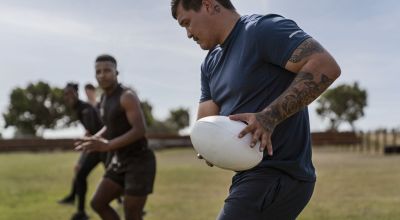
80% of injuries are caused by mechanical load from a change in habit, for example not doing exercise over winter and then playing summer sport multiple nights a week. Does this sound like you? The best way to prevent injuries therefore is by monitoring your mechanical stress, and increasing activity slowly. Footwear, biomechanics, and stretching only play a small part of the puzzle.
As mentioned in last month’s Newsletter, absorption technologies in shoes do not reduce stress on the body. In fact they just isolate it on certain joints. Additionally research continues to show that technologies built into shoes like motion control, stability and cushioning are ineffective. Modern shoes decrease stride pace and alter the natural sequence of muscle contractions in the legs and back. Shoes should be comfortable, the right size for your feet and minimalistic.
Why do we stretch pre-activity? Presumably to get ready for exercise and to decrease the chance of injury, but is there any scientific evidence to support this? The answer is no, all the research that does show a benefit also included a warm-up alongside stretching. Stretching does not affect muscle compliance during eccentric activity (where the muscle is contracting, and an external force is trying to lengthen the muscle: negative reps), when most strains are believed to occur. Stretching before exercise has no effect for activities in which excessive muscle length is not required, e.g. jogging. Additionally stretching appears to mask muscle pain in humans, making you more susceptible to injury.
For more information on injury prevention, or for advice getting back into activity, phone Foundation on 579 5601, or email [email protected]