Pain at the back of the ankle is one of the most common complaints we see in runners and active people. If you are noticing pain & stiffness when you first get out of bed, discomfort at the start of a run, or soreness that lingers after activity, Achilles tendon pain may be the cause.
Achilles tendinopathy is a common overuse injury, affecting around 6–10% of runners at any one time. The lifetime prevalence is estimated to be 52% in endurance runners and 36% in sprinters, while around 6% of the general population will experience it at some stage. Despite how common it is, Achilles pain should never be ignored. Left unmanaged, it can become persistent and significantly impact training, performance, and day-to-day movement.
The Achilles tendon is the large tendon at the back of the ankle that connects the calf muscles, the gastrocnemius and soleus, to the heel bone. Every step places load through this tendon, which is why it is particularly vulnerable when training demands increase too quickly.
Achilles tendinopathy, sometimes referred to as Achilles tendinosis, develops when the tendon is repeatedly overloaded without enough recovery time. This creates repeated microtrauma within the tendon tissue. Tendons naturally have a relatively poor blood supply, which means they can be slow to heal. When additional stress is placed on the tendon before recovery has occurred, the collagen fibres within the tendon can begin to break down. Over time, this creates a cycle of overload and failed repair that reduces the tendon’s ability to tolerate load.
Common Risk Factors Include:
Sudden increases in running volume or intensity
Hill running or sprint work
Returning to exercise too quickly after time off
Tight or weak calf muscles
Poor footwear
Changes in training surfaces
Biomechanical factors affecting foot and ankle loading
Inadequate recovery between sessions
What are the symptoms of Achilles Tendinopathy?
One of the hallmark features is morning stiffness, often described as pain during the first few steps out of bed. Many people also notice that symptoms improve as they warm up and get moving, which can create the false impression that continuing to train is helping. However, the tendon often becomes more painful later in the day or remains sore for several hours after activity. This delayed response is often a sign that the tendon is being overloaded.
Symptoms usually begin gradually. Pain, stiffness, and weakness are the most common complaints. Some people notice thickening of the tendon and tenderness when pressing on the area. As the condition progresses, symptoms tend to become more constant and can begin to appear during lighter activity or even simple daily tasks.
Why accurate diagnosis matters:
Not all Achilles pain is the same, and it doesn’t all happen for the same reason. Different parts of the Achilles region can be irritated depending on how the tendon is being loaded, and each presentation requires a slightly different approach to rehabilitation.
In some cases, pain comes from the mid-portion of the tendon, usually linked to tensile overload from running, jumping, or sudden increases in training load. In others, it is at the insertion into the heel, where compression loads such as hill running or deep ankle dorsiflexion tend to play a bigger role. Pain can also come from the surrounding paratendon, which is often irritated by repetitive low-load gliding and friction-type activities.
Understanding which structure is involved and what type of load is driving the irritation is important because it directly influences how the condition is treated and which exercises will help rather than aggravate symptoms.
How Can Physio Help?
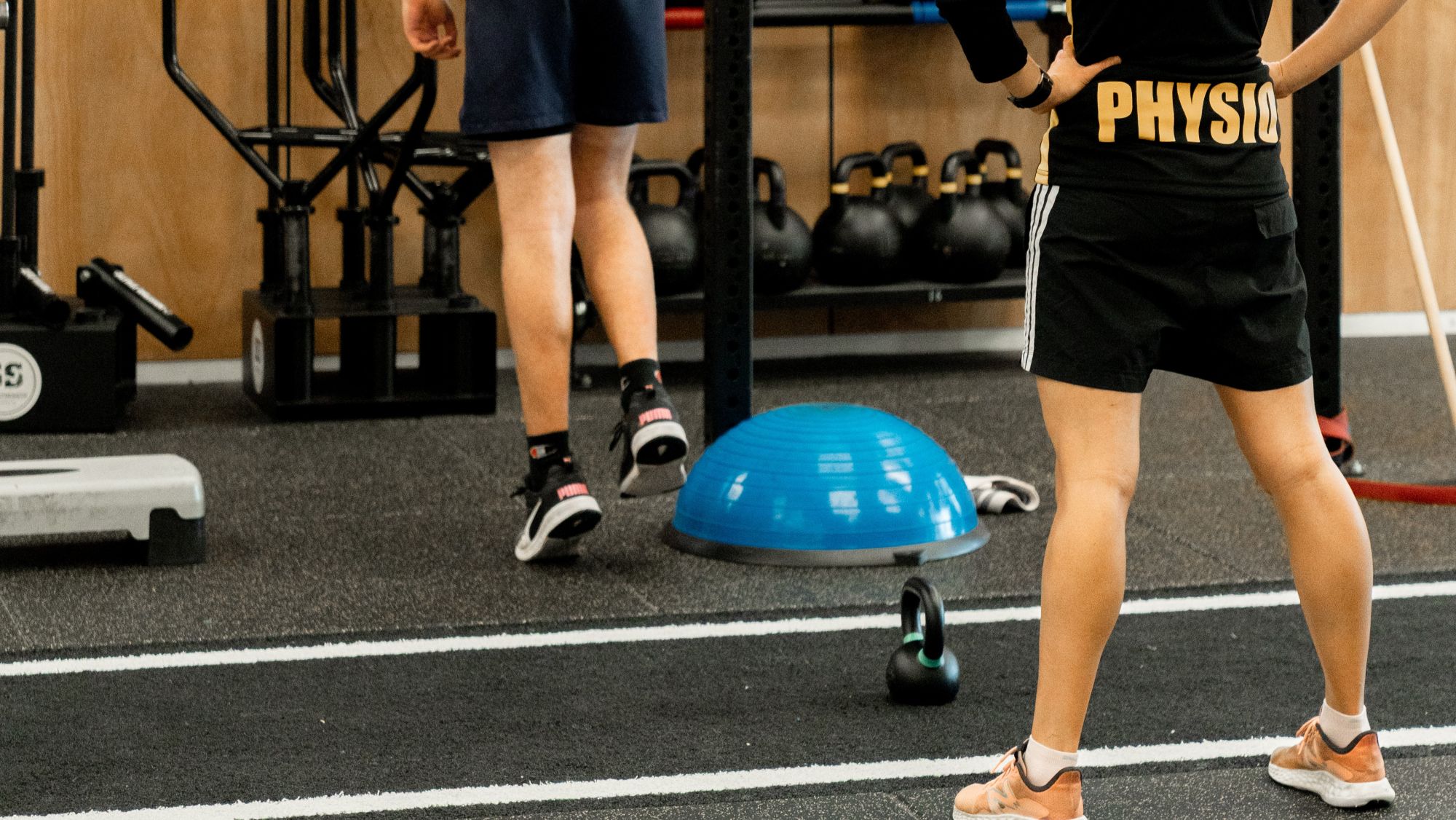
Physiotherapy treatment is focused on breaking the cycle of tendon overload and strengthening to promote a successful return to sport, running and overall resilience.
At Foundation Clinic, treatment starts by identifying the factors increasing stress through the tendon, including training errors, calf strength deficits, footwear issues and recovery strategies.
Load Modification = Reducing aggravating loads while keeping you active where possible.
Progressive Strengthening = Targeted calf loading exercises help rebuild tendon capacity and stimulate tendon adaptation.
Movement Assessment = Assessing walking, running, and lower limb mechanics to identify contributing factors.
Return-to-Running Planning = A structured progression to rebuild load tolerance safely.
Achilles pain can take anywhere from six weeks to twelve months to fully resolve depending on severity and how long symptoms have been present.
The earlier it is assessed, the easier it is to manage.
If you are noticing Achilles stiffness, pain during runs, or symptoms that keep returning, getting it assessed early can make a huge difference. For more information phone 07 579 5601 or email [email protected] to make an appointment.