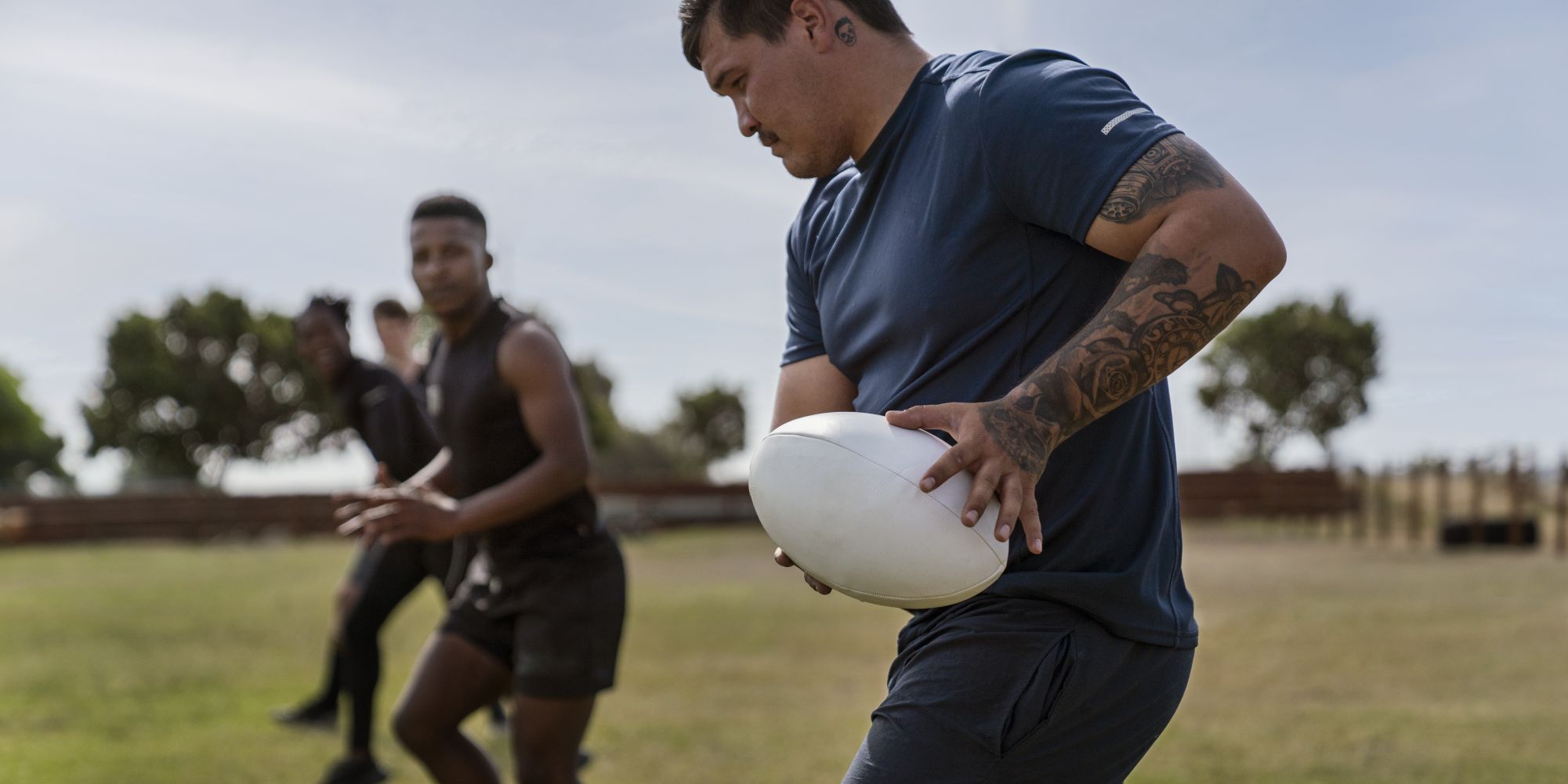
As the days get longer and the weather starts to improve, spring is a great time to get back outside and get moving.
For many people, that means returning to running, increasing gym sessions, starting touch or beach volleyball, cycling to school with the kids, or simply becoming more active after a quieter winter.
But while your motivation might be ready to go, your body may need a little more time to catch up.
Here are five common mistakes we see when people increase their activity and how to avoid them.
hh
1. Doing too much too soon
One of the most common mistakes is going from doing very little activity to doing a lot of activity, very quickly.
You might feel great on your first run and decide to run again the next day. Or perhaps you've signed up for a spring gym competition and suddenly increase your training from one session a week to four.
The problem isn't necessarily the activity itself; it's the sudden change in load.
Your muscles, tendons, joints and bones all need time to adapt to increased demands. When the amount or intensity of exercise increases faster than your body can adapt, small niggles can develop into more significant problems.
The solution? Build gradually.
Increase your training volume, intensity and frequency in a controlled way, and give your body time to adjust. You don't need to avoid activity, you just need to progress it sensibly. For more on load read: “Load vs Capacity”And “Alcohol and Training”
hh
2. Ignoring the little aches and pains
A little soreness when you start exercising again isn't always a reason to stop.
Some muscle soreness after a new or harder session is completely normal. But there is a difference between expected training soreness and a pain that is telling you something isn't quite right. We call this knowing the difference between good pain and bad pain.
Pain that is becoming more intense, changing the way you move, consistently returning during activity, or failing to settle with appropriate recovery is worth paying attention to.
Getting an early assessment can help identify what is contributing to the problem and, importantly, give you a plan for managing it while keeping you moving where possible.
hh
3. Skipping strength work
When people think about getting ready for spring, they often focus on running, cardio or getting back onto the touch field.
Strength training can be the part that gets forgotten.
Whether you're a runner, touch or volleyball player, gym-goer or weekend warrior, strength is an important part of preparing your body for the demands you're asking it to handle.
Strength training can help improve your capacity to tolerate load, produce force and control movement. For runners, this might mean being better prepared for increased running volume. For social sport athletes, it could mean preparing for sprinting, jumping, changing direction and contact.
When activity increases, recovery needs to increase with it. Sleep, rest days, nutrition and managing your overall training load all play an important role in allowing your body to adapt.
It can be tempting to think that every day needs to be a hard training day, especially when you're motivated to make the most of spring.
But your body doesn't get fitter, stronger or more resilient during the workout itself. Adaptation happens as your body recovers from the work you've done.
hh
5. Waiting until you're injured to see a physio
Physiotherapy isn't just for when something has already gone wrong.
If you're planning to increase your running, return to sport, start a new training programme or simply become more active, an assessment can help you understand whether your body is ready for the demands you're about to place on it.
hh
Spring is a great opportunity to get moving again. You don't need to wait for the perfect level of fitness, and you certainly don't need to avoid activity because you're worried about getting injured.
Instead, think about building your capacity to do the things you want to do.
Start gradually. Listen to your body. Include strength work. Prioritise recovery. And if you're unsure whether you're ready to increase your activity, get some guidance before a small problem becomes a bigger one.
If you're planning to return to running, sign up for summer sport or join a gym challenge, our team at Foundation Clinic can help you assess where you're at and build a plan to get you where you want to be.
As Jo Gibson has highlighted in her work with rotator cuff-related shoulder problems, a key question is not simply “Is it torn?”, but “Does the tear matter?”