Why Choose Foundation Clinic for Rugby Physiotherapy?
At Foundation Clinic, we provide rugby and rugby league physiotherapy designed to help players recover from injury, build resilience, and perform at their best throughout the season. While rugby union and rugby league share many physical demands, they are distinct sports with different technical, tactical, and positional requirements.
Rugby is more than a sport we treat, it's a game our physiotherapists have lived and breathed. Our team has worked with athletes at every level, from community club rugby through to national and international programmes.
Damian Banks
Experience with the BOP Steamers, New Zealand Under 20s, and All Blacks Sevens.
Craig Newland
Worked with England Womens Rugby, BOP Steamers, and Tauranga Boys' College First XV
Jodi Spurgeon
Worked with the BOP Steamers, Blues, and New Zealand Secondary Schools programmes.
Adina Holder
Involved with New Zealand Sevens return-to-play programmes and the BOP Volcanix.
Aurora Paris
Currently working with the BOP Ngāwha, ADP, and Global Youth Sevens.
Lachie Maxwell
Has supported the Tauranga Boys' College First XV.
Simon Robins
Experience working with the BOP Steamers.
Nick Punnett & James Lawson
Extensive experience supporting players throughout community club rugby.
hh
Our Rugby Physiotherapy Services
Our goal isn't simply to get you pain-free. We focus on restoring strength, rebuilding confidence, improving your capacity to handle the demands of your sport, reducing the risk of re-injury, and ensuring you are physically prepared to return to training and competition.
We support rugby players through every stage of injury management and rehabilitation with services including:
- Comprehensive assessment and diagnosis of rugby injuries
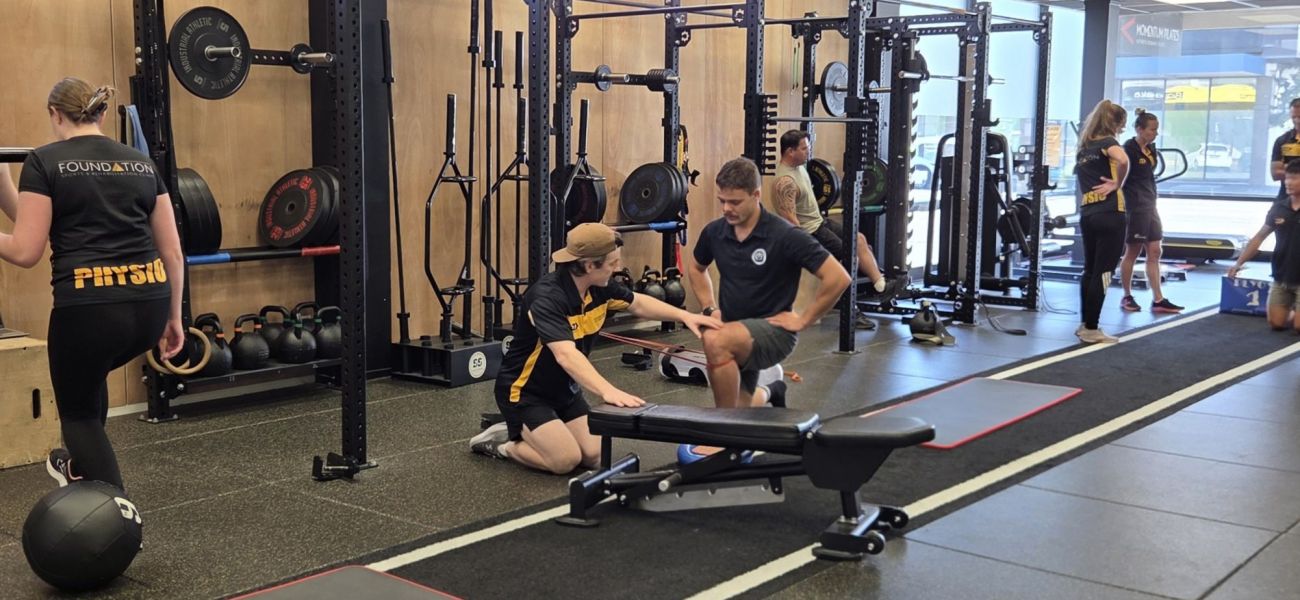
- Individualised rehabilitation programmes
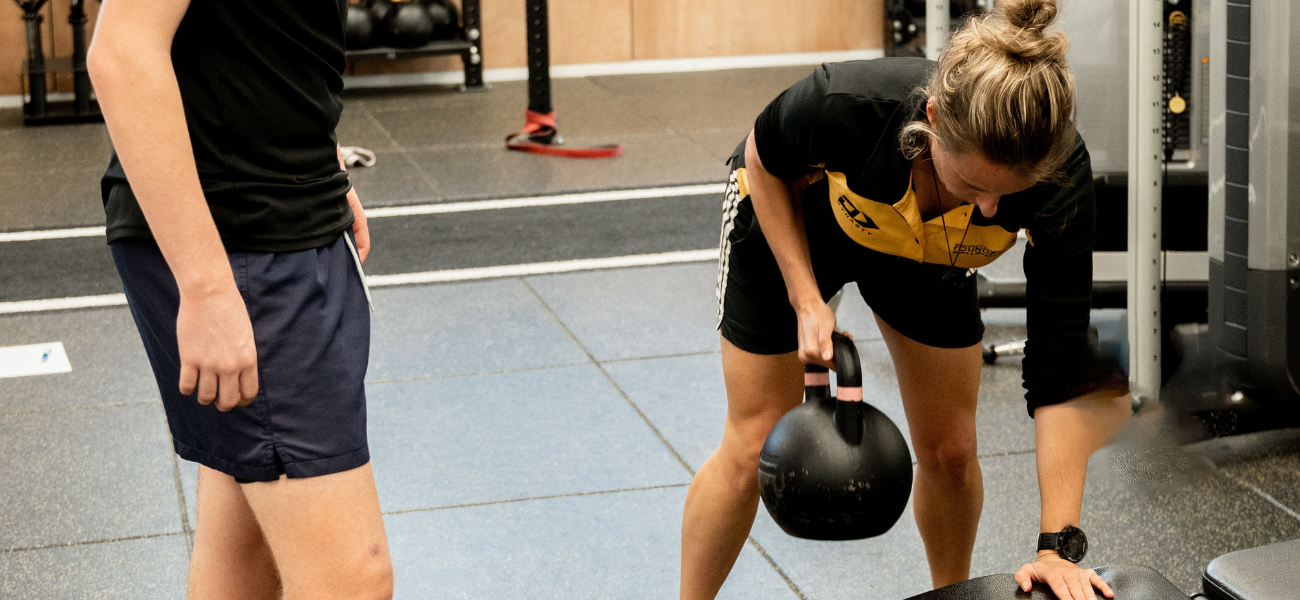
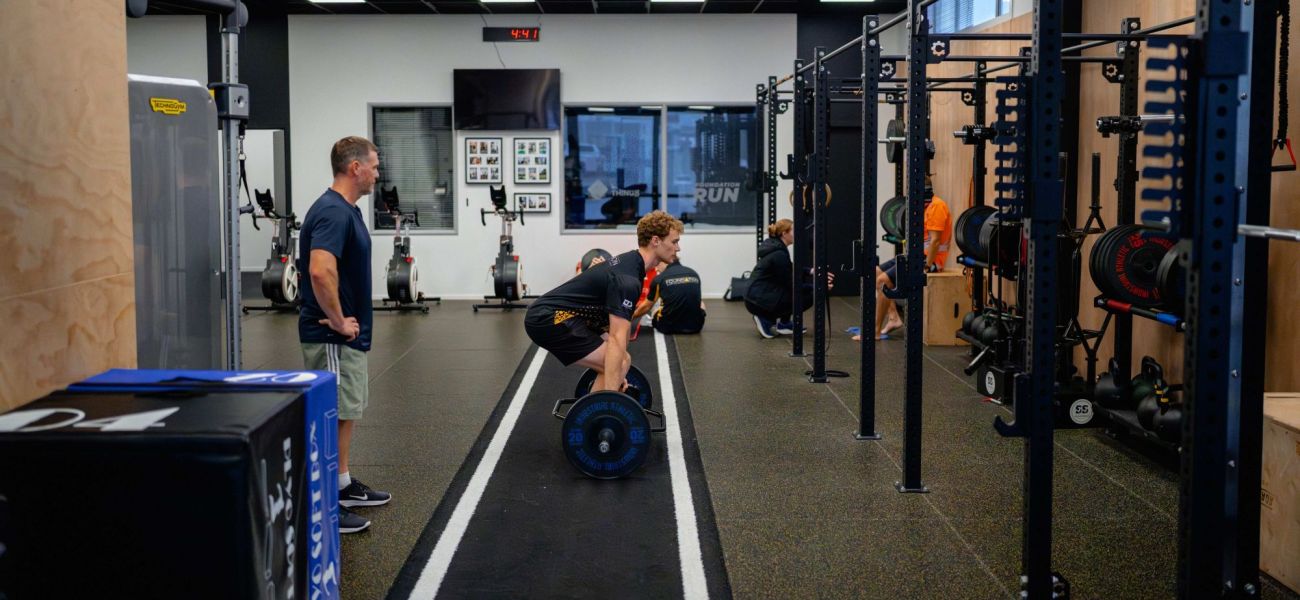
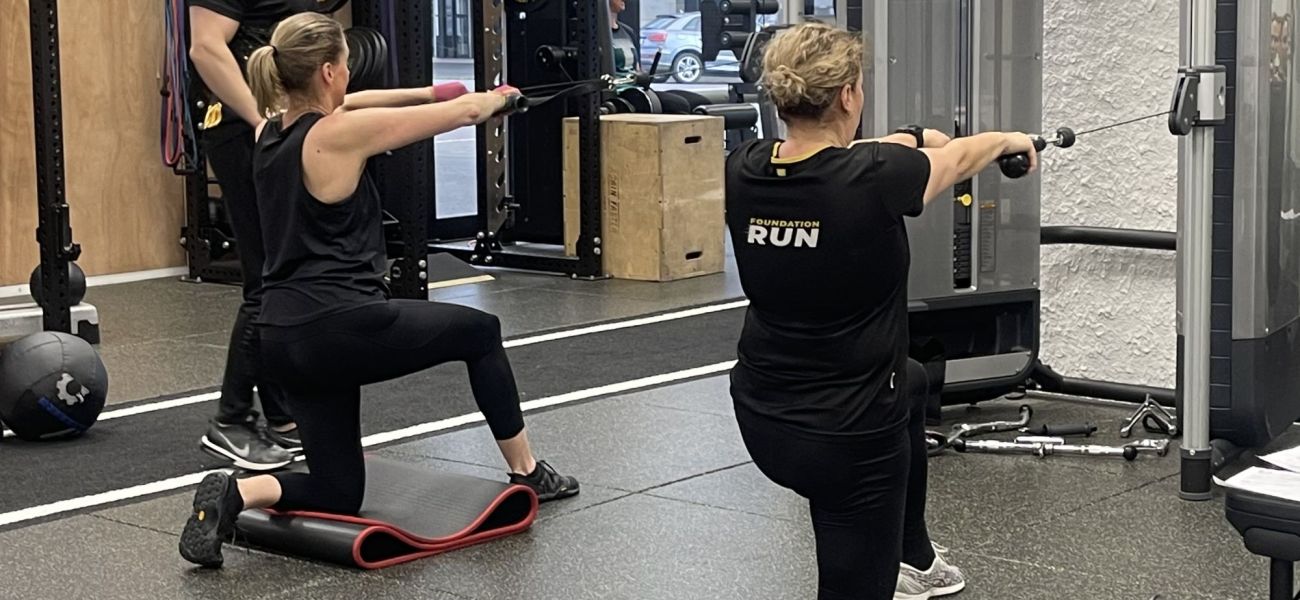
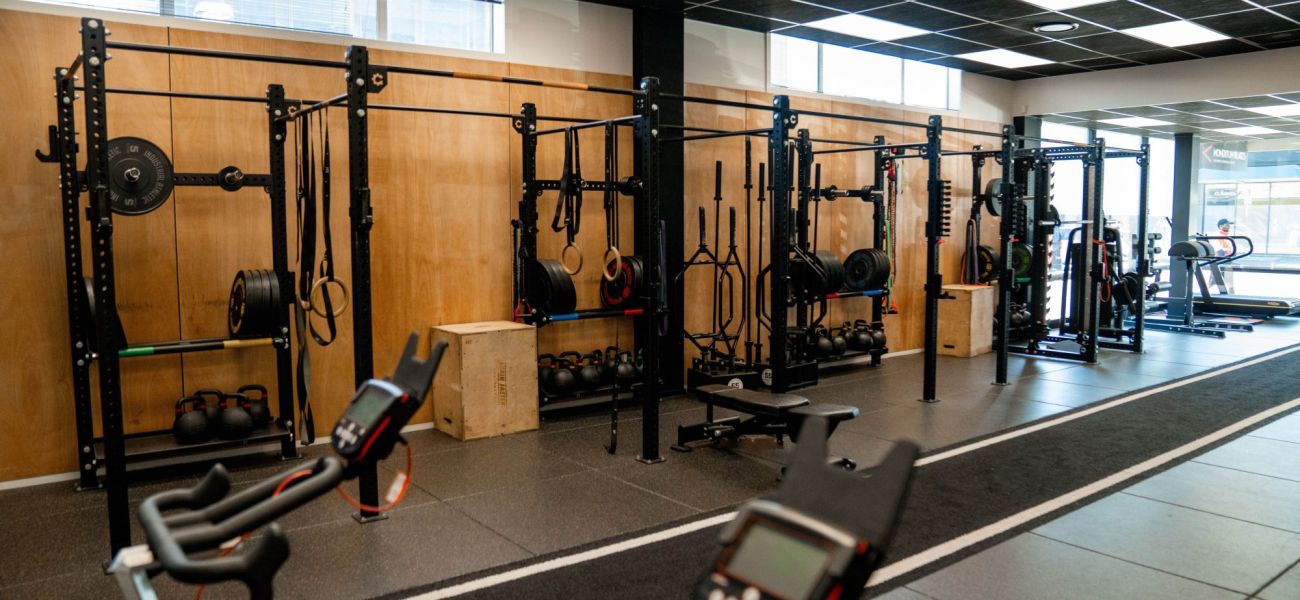
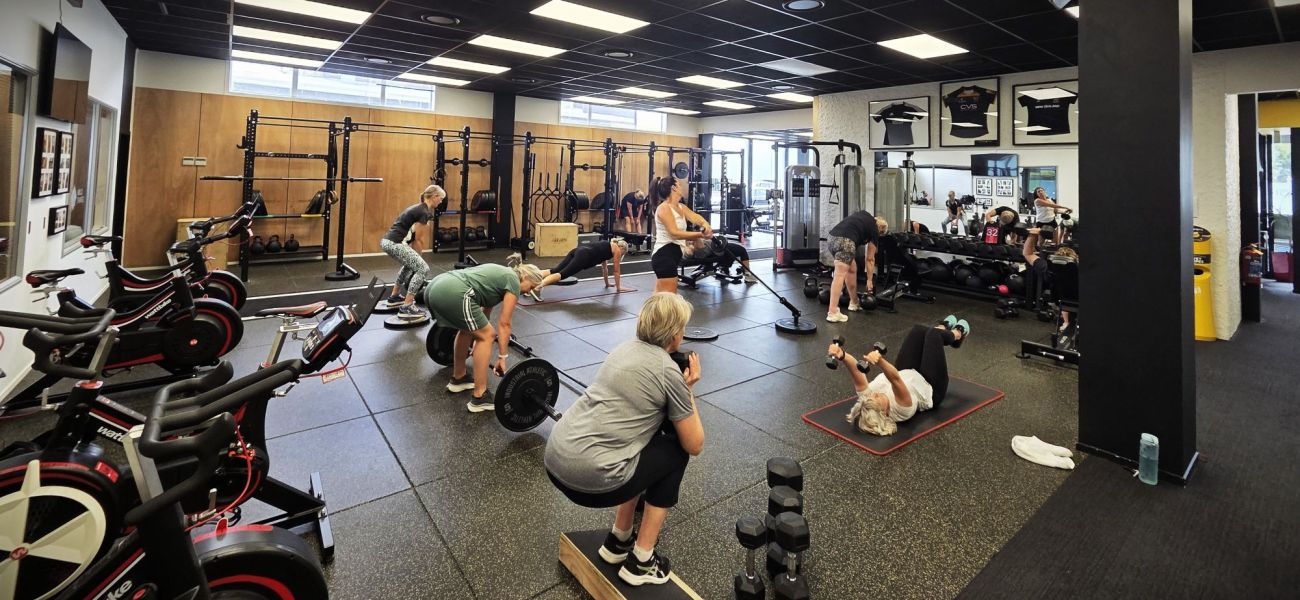
- Gym-based rehabilitation and strength development
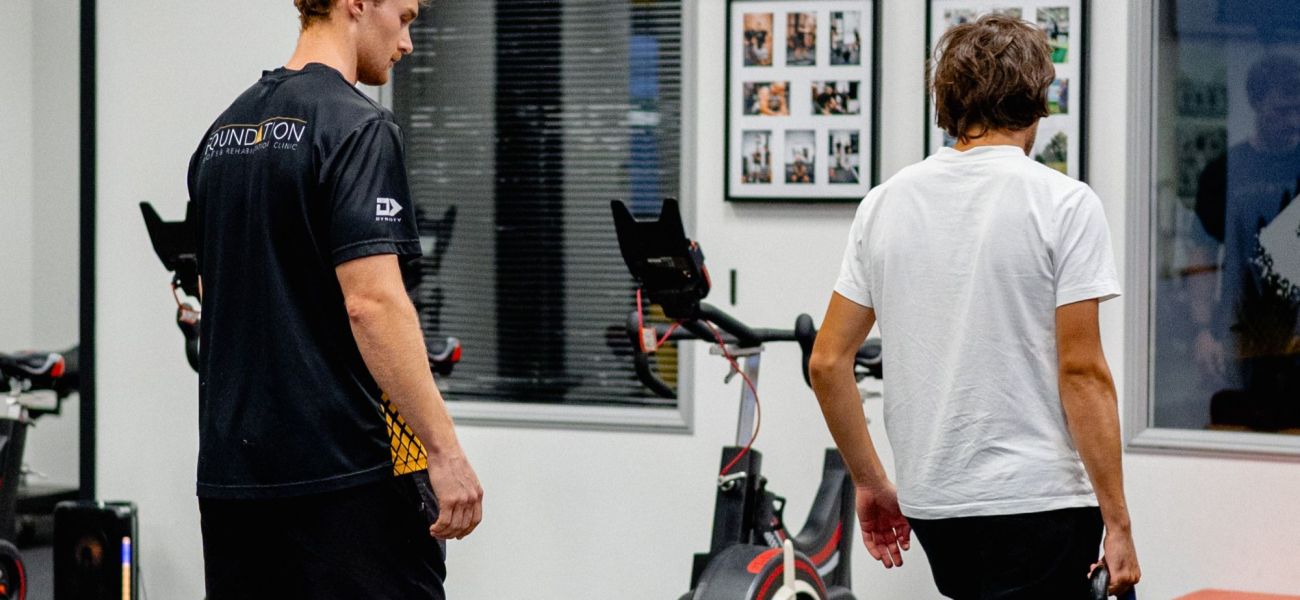
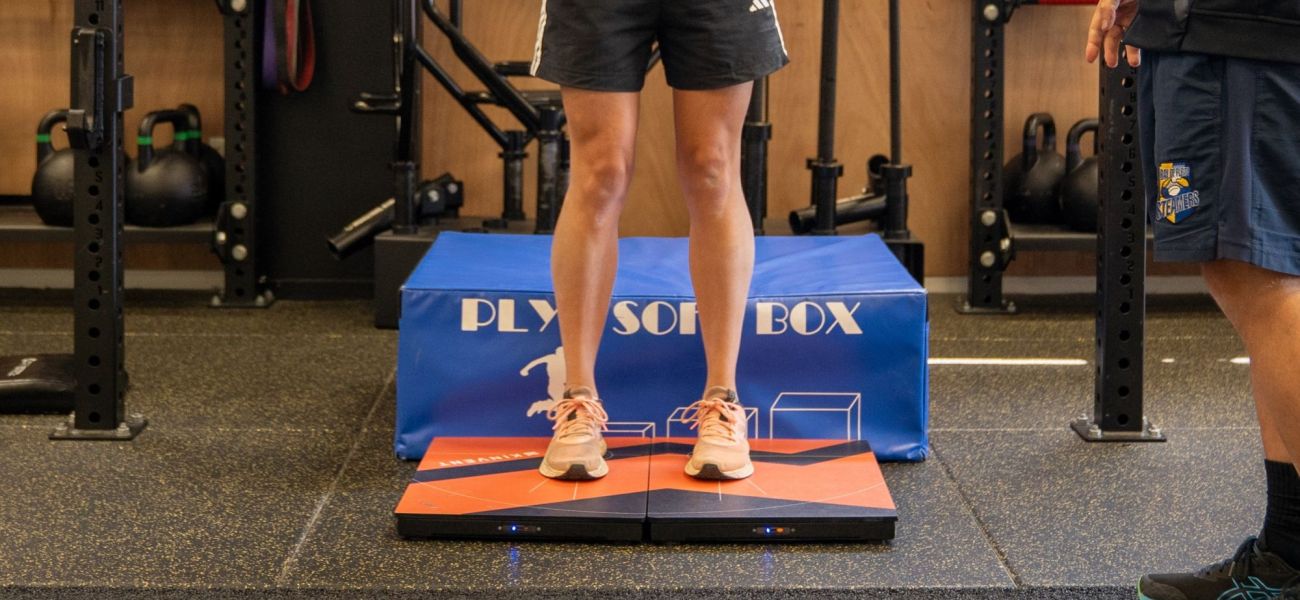
- Force plate and performance testing
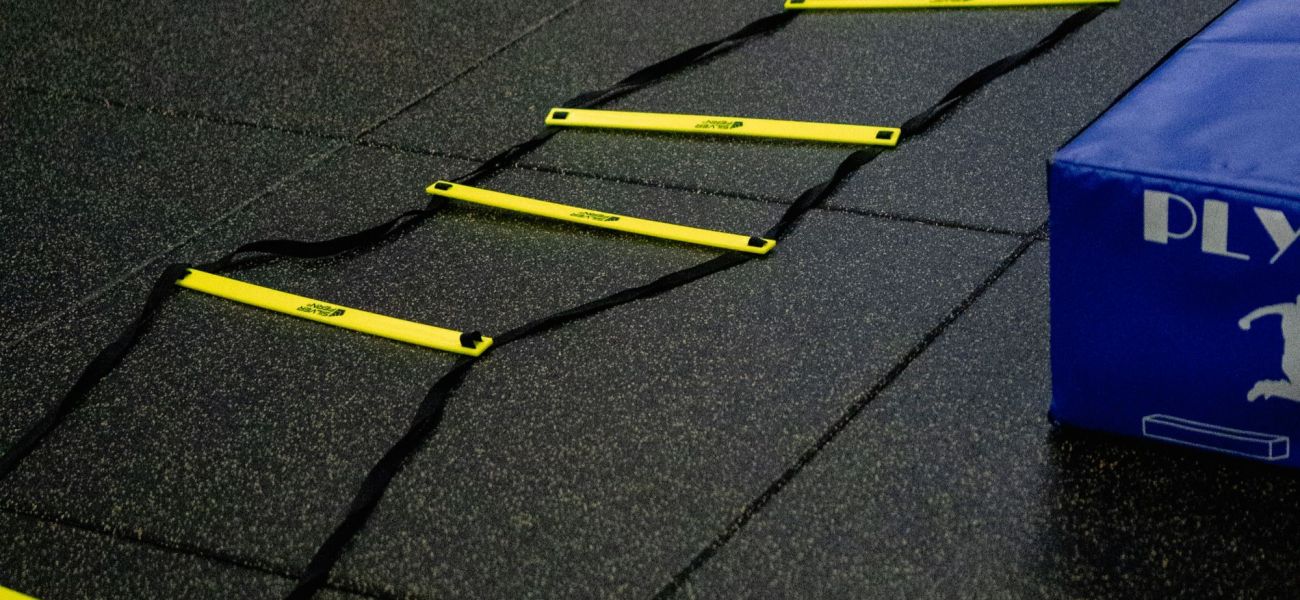
- Running, agility, and change of direction progression
- Return to play and return to contact testing
- Injury prevention strategies
- Training load management
- Collaboration with coaches, strength and conditioning staff, and support teams
Every programme is tailored to the demands of your position, your injury, and your performance goals.
hh
Why Rugby Injuries Occur
Many rugby injuries are not caused by a single incident alone. They often occur when physical contact is combined with fatigue, accumulated training load, inadequate recovery, or a rapid increase in workload.
As matches progress, players must continue to tackle, sprint, accelerate, decelerate, and repeatedly get up off the ground while absorbing contact. If the body's capacity falls behind the demands being placed upon it, injury risk increases.
This is why rehabilitation must focus on rebuilding capacity, not simply reducing pain.
hh
Rugby Rehabilitation and Return to Play
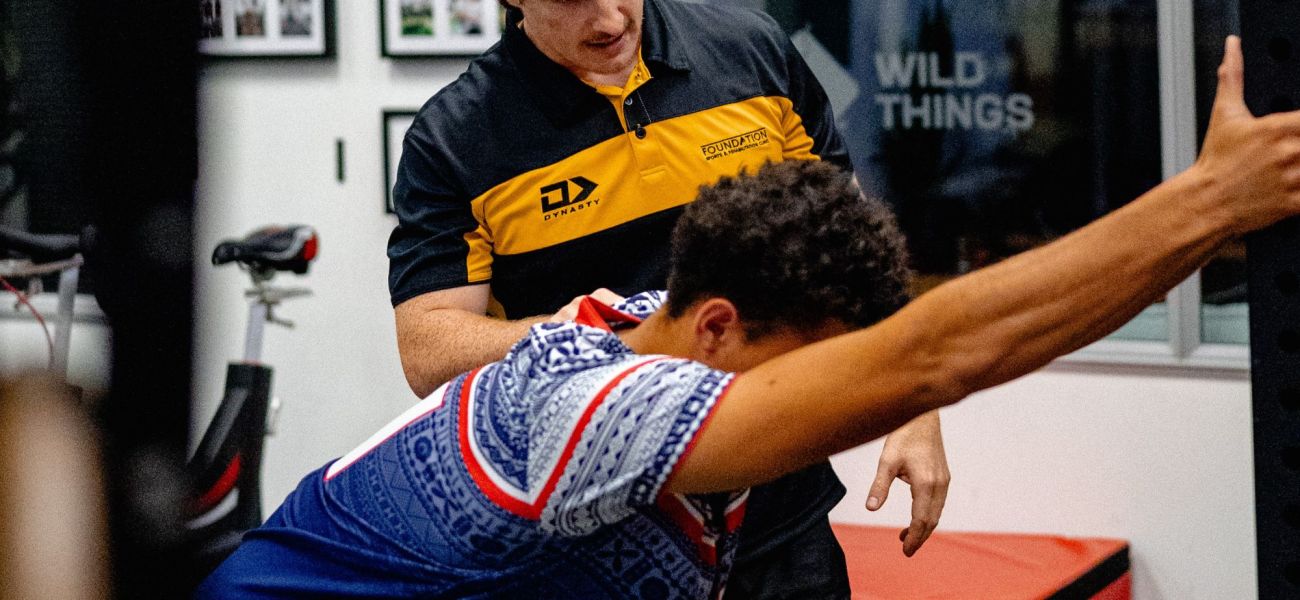
Rugby players need to be prepared for tackling, scrummaging, changing direction at speed, accelerating, decelerating, and producing force repeatedly throughout a match. Rehabilitation must progressively expose the body to these demands before a player returns to competition.
At Foundation Clinic, our rugby specific rehabilitation includes:
Change of Direction
Cutting, sidestepping, and evasive movement place substantial demands on the lower limb. Rehabilitation progressively develops agility and change of direction capacity through supervised drills that focus on movement quality, control, and confidence.
As rehabilitation progresses, drills become more unpredictable and incorporate external pressures such as decision-making, reactive movements, and opposition players to better replicate match situations.
Speed and Acceleration
Running at speed places high loads on muscles, tendons, and joints. Rehabilitation focuses on restoring tissue capacity while improving acceleration, deceleration, and sprint mechanics.
Players are gradually exposed to increasing running speeds through structured progressions, beginning with controlled acceleration and deceleration efforts over short distances before progressing towards maximal sprinting and sport-specific running demands.
Contact Technique and Contact Tolerance
Returning to rugby requires more than restoring strength and fitness. Players must regain the ability to tolerate contact safely and confidently.
Rehabilitation progresses through staged exposure to contact demands, beginning with footwork and positioning before introducing predictable contact situations. This may include:
- Footwork into contact
- Body positioning during contact
- 1-on-1 contact drills
- Progression to multiple-player contact situations
- Front-on and tracking contact drills
- Contact bag work
- On-body contact drills
- Scrum positioning
- Lineout lifting and jumping positions
- Ruck cleanouts
- Jackal and breakdown activities
Each stage is progressed according to the player's injury, position, and ability to tolerate load.
Sport-Specific Conditioning
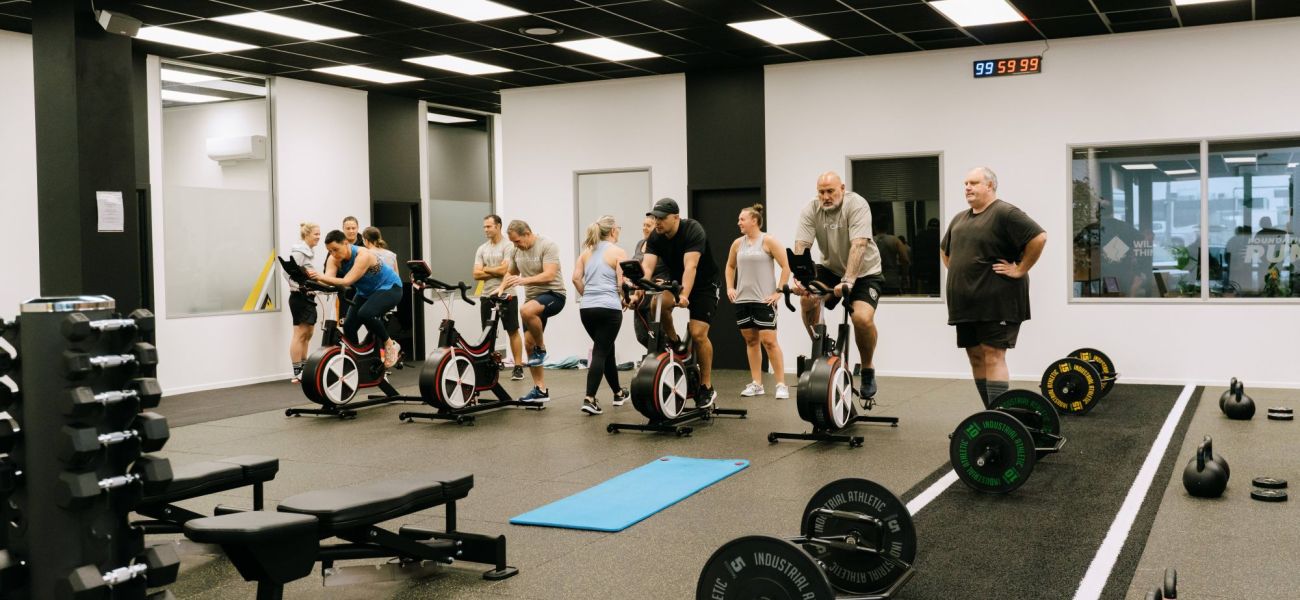
Fatigue is a major contributor to injury risk in both rugby union and rugby league. Players need sufficient conditioning to repeatedly get into position, make good decisions, and execute skills effectively throughout a match.
If players are consistently arriving late to tackles, rucks, or defensive situations because of fatigue, injury risk increases significantly. Rehabilitation therefore includes conditioning that reflects the work demands of the sport.
Strength and Load Tolerance
Players need the strength and physical capacity to tolerate the demands of training and competition while also managing fluctuations in workload throughout the season.
Our rehabilitation programmes focus on rebuilding strength, power, robustness, and load tolerance so players can cope with contact, running demands, and inevitable spikes in training and match intensity.
hh
Book Your Rugby Physiotherapy Assessment
If pain, injury, or reduced performance is affecting your rugby, don't wait until it sidelines you completely.
Whether you're dealing with a recent injury, recurring pain, or preparing for a return to play, our team can help.
Book an appointment with Foundation Clinic and start your recovery with a plan designed specifically for rugby.